HOUSTON, TX, March 25, 2026 —
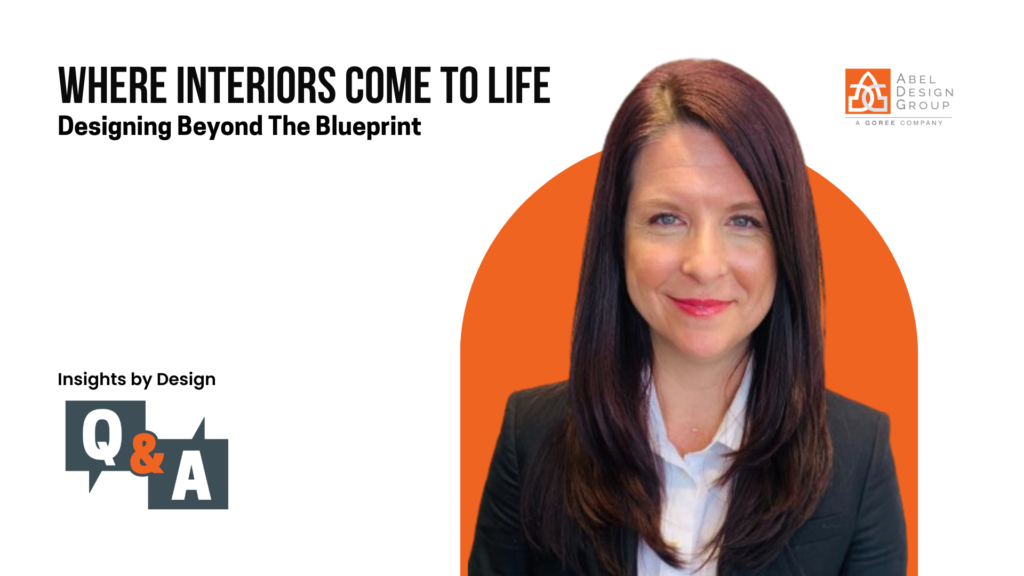
Interior design is where function meets experience, where thoughtful planning, materiality, and human behavior come together to shape how a space is truly lived in. For Senior Associate, Misty Richards, this approach is grounded in a career built on diverse experiences across architecture, interiors, and furniture, each informing a deeper understanding of how environments perform.
Throughout her career, Misty has developed a design philosophy rooted in clarity, collaboration, and intention. Her work reflects a commitment to creating interiors that are not only visually cohesive but also intuitive, adaptable, and aligned with the client’s vision and operational needs. By balancing creative thinking with technical precision, she delivers environments that feel both purposeful and effortless.
In this Insights by Design Q&A, Misty shares how form follows function in practice, how hospitality principles are reshaping workplace environments, and how materiality and lighting bring interiors to life.
You’ve built a diverse career as a registered interior designer. How has your experience shaped the way you approach interior design, collaboration, and project delivery today? Can you walk me through your career journey?
Misty: I’ve been in the industry for more than 20 years, and that breadth of experience has given me a well-rounded perspective on how I approach design, collaboration, and project delivery today.
I began my career working closely with an architect, which gave me an early understanding of how interiors integrate with the broader building. From there, I built a strong foundation in tenant build-out work, learning how to execute efficiently within real-world constraints. As my experience grew, I expanded across both boutique and larger firms, working on corporate office environments as well as a variety of other sectors, while also gaining insight into the furniture side of the industry and developing a deeper understanding of how products are designed, specified, and perform within a space.
Abel Design Group has allowed me to bring all of those experiences together, allowing me to apply that range of experience in a more elevated and cohesive way.
Interior design goes far beyond drawings and finish selections. How do you translate design concepts into environments that feel lived-in, intuitive, and experiential for the people who use them every day?
Misty: I’m guided by the principle that form follows function, starting with a deep understanding of the client’s brand, vision, and operational needs. That foundation informs every decision, from spatial planning to material selection and architectural detailing.
It’s not just about how a space looks, but how it works and how it’s experienced. The goal is to create environments that reflect a company’s identity while also feeling intuitive, efficient, and natural for the people who use them every day.
Many workplace environments today draw inspiration from hospitality design. How do you apply those principles to create spaces that feel welcoming, comfortable, and human-centered?
Misty:We incorporate hospitality-driven design into workplace environments by creating comfortable, social spaces, such as cafe-style breakrooms, lounges, and flexible gathering areas, all of which encourage connection and community.
Beyond those programmatic elements, it’s also about the feeling of the space. We consider scale, texture, lighting, and how people navigate through the environment.
The intent is to design workplaces that feel welcoming and human-centric while still supporting productivity and focus.
Interior design often requires balancing creative vision with technical realities. How do you navigate that balance to ensure the design intent remains strong while meeting practical constraints like budget, schedule, and construction requirements?
Misty: I protect design intent by integrating cost and constructability early in the process. This includes tracking material pricing during design and, when possible, collaborating with a general contractor for real-time budgeting and feedback.
These approaches keep the vision intact while ensuring the project stays on budget and on schedule.
Materiality, lighting, and spatial flow play a major role in shaping how people experience a space. How do these elements influence your design process and the way you think about interiors beyond the drawings?
Misty: Spatial flow is established during the space planning phase, where form always follows function. Once that foundation is in place, the circulation and flow of the space become an inherent part of the design, guiding how people naturally move through the space.
From there, materiality and lighting are what truly bring the environment to life. They shape how people experience a space through texture, warmth, contrast, and atmosphere, creating moments of pause, transition, and connection, transforming the design from a set of drawings into a fully realized, lived experience.
Successful projects require close coordination between architects, consultants, and project teams. How do you collaborate across disciplines to ensure that interior design integrates seamlessly with the broader architectural vision?
Misty: Cross-disciplinary collaboration is essential to the success of any project. Engaging consultants and contractors early, along with maintaining consistent communication through coordination meetings, shared design reviews, and site walks, is key.
This collaborative approach allows the team to identify and resolve challenges proactively while keeping everyone aligned around the same vision.
It also strengthens the integration between architecture, interiors, and building systems, resulting in a more cohesive and well-executed final product.
Today’s interior environments must support productivity, comfort, and meaningful interaction. How do you approach designing spaces that help people feel both focused and connected?
Misty: My approach is to create environments that balance focus with connection. By maximizing natural light and layering in color, texture, and materials, a natural level of comfort and visual interest is created.
When possible, incorporating greenery and biophilic elements supports well-being and reduces stress. It’s also important to maintain mindfulness of how different zones support different work styles, such as highly focused, heads-down spaces alongside more open, collaborative areas. The goal is to create spaces that not only support productivity but also encourage collaboration and a sense of community.
Over the course of your career, you’ve worked on a wide range of complex projects. What lessons have those experiences taught you about designing interiors that perform well over time?
Misty: My experience has reinforced the importance of designing for longevity. That means selecting durable, practical materials that can withstand daily use, especially in high-traffic environments, while also considering maintenance and lifecycle costs.
At the same time, approaching the design with a timeless sensibility, rather than relying on short-term trends, will ensure the space remains both functionally and aesthetically over time.
Interior environments must evolve as organizations grow and needs change. How do you approach designing spaces that remain flexible and relevant over time while still feeling intentional from day one?
Misty: We begin by discussing anticipated growth and long-term goals with the client early in the process so we can plan for future needs from the start. Understanding how a company may evolve allows us to design with flexibility in mind.
Incorporating strategies such as adaptable layouts, multi-use spaces, and demountable wall systems allows the space to evolve while still feeling thoughtful and intentional from day one.
Looking ahead, how do you see the role of interior designers evolving as expectations for experience-driven environments, workplace flexibility, and human-centered design continue to grow?
Misty: A strong designer is always evolving. Staying current with emerging design trends, workplace strategies, and new technologies is essential to delivering thoughtful and forward-looking solutions.
I see AI becoming more integrated into the design process, helping improve efficiency and insight, while the designer’s role remains essential in translating those insights into thoughtful, human-centered environments.